You are here:Home » News and Events » Oil Field Chains - The High-Strength Leader in Transmission Chains
Oil Field Chains - The High-Strength Leader in Transmission Chains
Views: 0 Author: Site Editor Publish Time: 2025-12-19 Origin: Site
1. Overview of Oil Field Chains
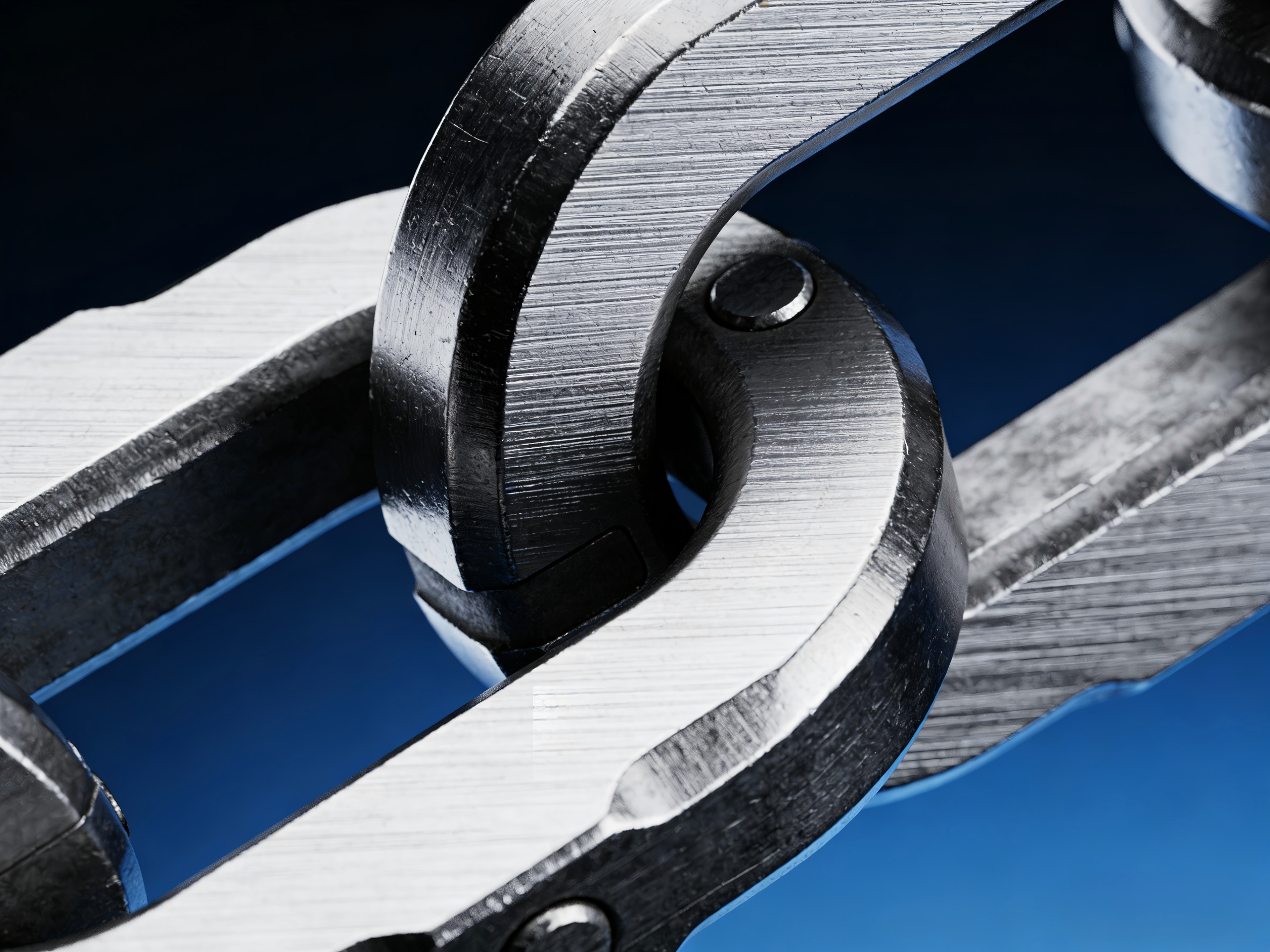
Oil field chains, also known as petroleum chains, are ultra-high-strength transmission chains specifically designed for the power drive systems of oil drilling and extraction equipment. Similar to conventional transmission chains, they are available in single-row, double-row, triple-row and other configurations. However, due to the extremely harsh operating environment of oil extraction—characterized by severe working conditions and ultra-high operational loads generated by machinery—oil field chains have undergone specialized adjustments in both structure and manufacturing processes to meet the rigorous demands of high-speed, heavy-load, and continuous impact operations.
2. Key Structural and Process Improvements
2.1 Cold Heading for Bushings and Rollers
The bushings and rollers of oil field chains are manufactured using cold heading technology. This process enhances three critical performance parameters:
Roundness: Ensures precise dimensional accuracy for smooth operation.
Coaxiality: Optimizes the alignment between components, reducing wear during transmission.
Surface Roughness: Creates a smoother surface to minimize friction.Additionally, the extrusion forming in cold heading generates residual compressive stress on the surface of bushings and rollers, significantly improving their fatigue strength and durability under cyclic loads.
2.2 Enhanced Link Plate Design
Widened Waist Dimension: Compared with standard chains, the waist of oil field chain plates is widened to increase the stress-bearing area. This modification boosts three core capabilities: load-carrying capacity, fatigue resistance, and operational stability, enabling the chain to withstand extreme tensile forces during oil field operations.
Steel Ball Hole Extrusion Post-Heat Treatment: After heat treatment, the link plates undergo a specialized process where hardened steel balls are used as "extruders." Through forced pressing or reciprocating extrusion, the surface layer of the hole wall undergoes plastic deformation and forms residual compressive stress. This stress counteracts part of the tensile stress exerted on the workpiece during operation, effectively inhibiting the initiation and propagation of cracks.
To further enhance overall strength, innovative structural adjustments have been made to the chain arrangement. A typical example is the LONGOLD 80S-4 oil field chain. Based on the structure of conventional oil field chains, this model extends the chain pins and adds extra link plates on the outer side of the chain. This design optimization significantly improves the chain's ability to resist deformation and breakage under extreme working conditions.
3. Application Advantages
Thanks to the aforementioned structural and process improvements, oil field chains stand out in the transmission chain industry with unparalleled advantages:
Adaptability to harsh environments: Capable of operating stably in the severe conditions of oil drilling and extraction.
High load-bearing capacity: Widened link plates and optimized component design enable the chain to bear ultra-high operational loads.
Excellent fatigue resistance: Residual compressive stress from cold heading and steel ball extrusion enhances the chain's service life under cyclic impacts.
Operational stability: Precise manufacturing and structural optimization ensure smooth transmission even at high speeds.

Oil field chains represent a specialized branch of transmission chain technology, integrating advanced manufacturing processes and structural design to address the unique challenges of the oil and gas industry. Their continuous development and innovation play a crucial role in supporting the efficiency and safety of oil field operations worldwide.