Hot Keywords:
- All
- Product Name
- Product Keyword
- Product Model
- Product Summary
- Product Description
- Multi Field Search
Views: 1 Author: Site Editor Publish Time: 2025-12-25 Origin: Site
In the manufacturing of machined parts and tooling dies, heat treatment is a critical step. Among the various processes, normalizing and annealing are the most common preparatory heat treatments, typically performed after casting or forging and before rough machining. For some components with low performance requirements, they can also serve as the final treatment. The core difference is that annealing involves slow cooling, while normalizing involves faster cooling. The selection between them should be based on the following three key aspects.
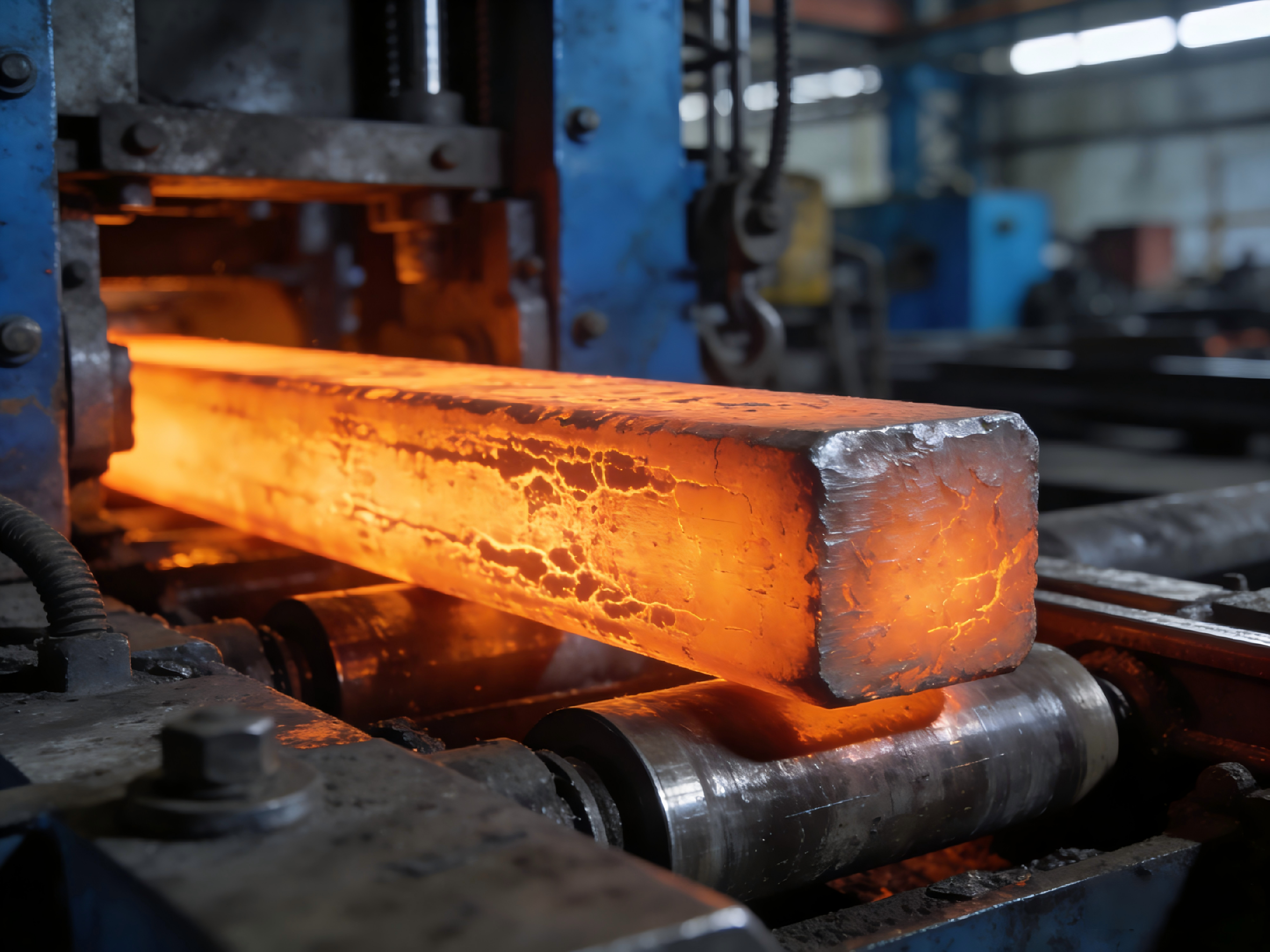
In manufacturing, heat treatment is a critical step for achieving desired material properties in steel components. Among these processes, normalizing and full annealing are two fundamental and widely used techniques. Both are primarily employed as preparatory heat treatments to refine the microstructure, adjust hardness, and relieve internal stresses after operations like casting or forging, thereby preparing the steel for subsequent machining or final heat treatment. Their core technical difference lies in the cooling rate: annealing involves very slow cooling, typically within the furnace, while normalizing involves faster air cooling outside the furnace.
The choice between these two processes is not arbitrary but a strategic decision based on specific technical and economic factors. Here is a detailed breakdown of the selection criteria.
A. Machinability and Hardness Control
The hardness of steel directly dictates its machinability. For optimal chip formation, surface finish, and tool life, a Brinell hardness range of HB 170 to HB 230 is generally targeted.
Normalizing is the preferred preparatory treatment for low and medium-carbon steels. These steels, in their as-rolled or as-forged state, are often too soft, leading to poor surface finish and long, stringy chips. Normalizing increases their hardness and strength into the ideal machinability window.
Full Annealing or Spheroidizing Annealing is essential for high-carbon steels, tool steels, and most alloy steels. These steels are inherently harder. Annealing effectively lowers their hardness by promoting a soft, coarse pearlitic or spheroidized structure, making them feasible to machine without excessive tool wear.